

In the emerging world of generative AI filmmaking, some creators experiment with tools, testing what’s possible frame by frame. Others like Kim are quietly shaping the future of the craft itself, blending curiosity and vision to redefine what storytelling in an AI-driven world can become.
Her journey into AI filmmaking didn’t begin in a tech lab or a traditional film studio. Instead, it grew out of an interdisciplinary path that moved between science, performance, design, and storytelling. The common thread connecting all of it has always been curiosity.
“If there’s one thread connecting everything I’ve done, it’s curiosity. I’ve always been fascinated by the intersection of art and science and how technology can become a tool for emotional expression and storytelling.”
Science gave Kim a way to understand systems and structure. Performance shaped her sense of empathy and emotional truth. Design helped translate ideas into visual language. Over time, those seemingly separate worlds began to converge.
Rather than being guided by a single mentor, she credits a wider circle of influences that encouraged experimentation and interdisciplinary thinking. Today, generative AI feels like a natural extension of that philosophy.
“They helped me realize that creativity doesn’t have to live inside one box.”
As AI filmmaking evolves, Kim believes the role of the director is changing as well. Instead of controlling every frame, creators are increasingly designing systems that generate possibilities.
In this new environment, the director becomes a hybrid — storyteller, technologist, and systems thinker orchestrating tools, workflows, and creative inputs.
“AI filmmaking requires a new kind of creative mindset. It’s less about controlling every frame and more about designing systems that generate possibilities.”
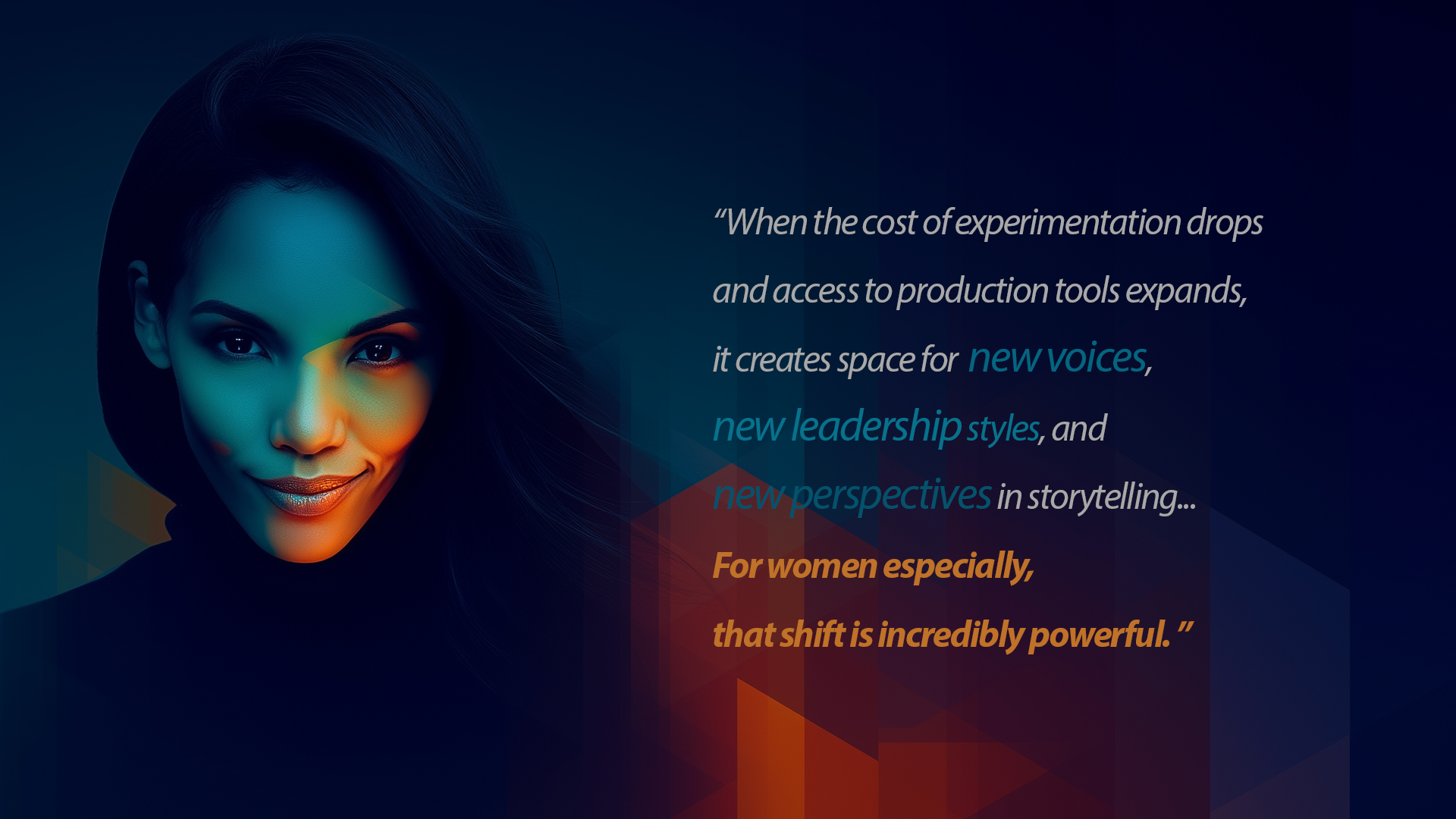
This shift is particularly powerful for women. Traditional barriers like budget and studio backing are starting to fall, making space for new voices, leadership styles, and perspectives in storytelling.
“When the cost of experimentation drops and access to production tools expands, it creates space for new voices, new leadership styles, and new perspectives in storytelling.”
It is a moment where women can actively reshape how stories are told, bringing fresh ideas and bold visions to life. Every breakthrough opens a path for those willing to take risks and imagine something new.
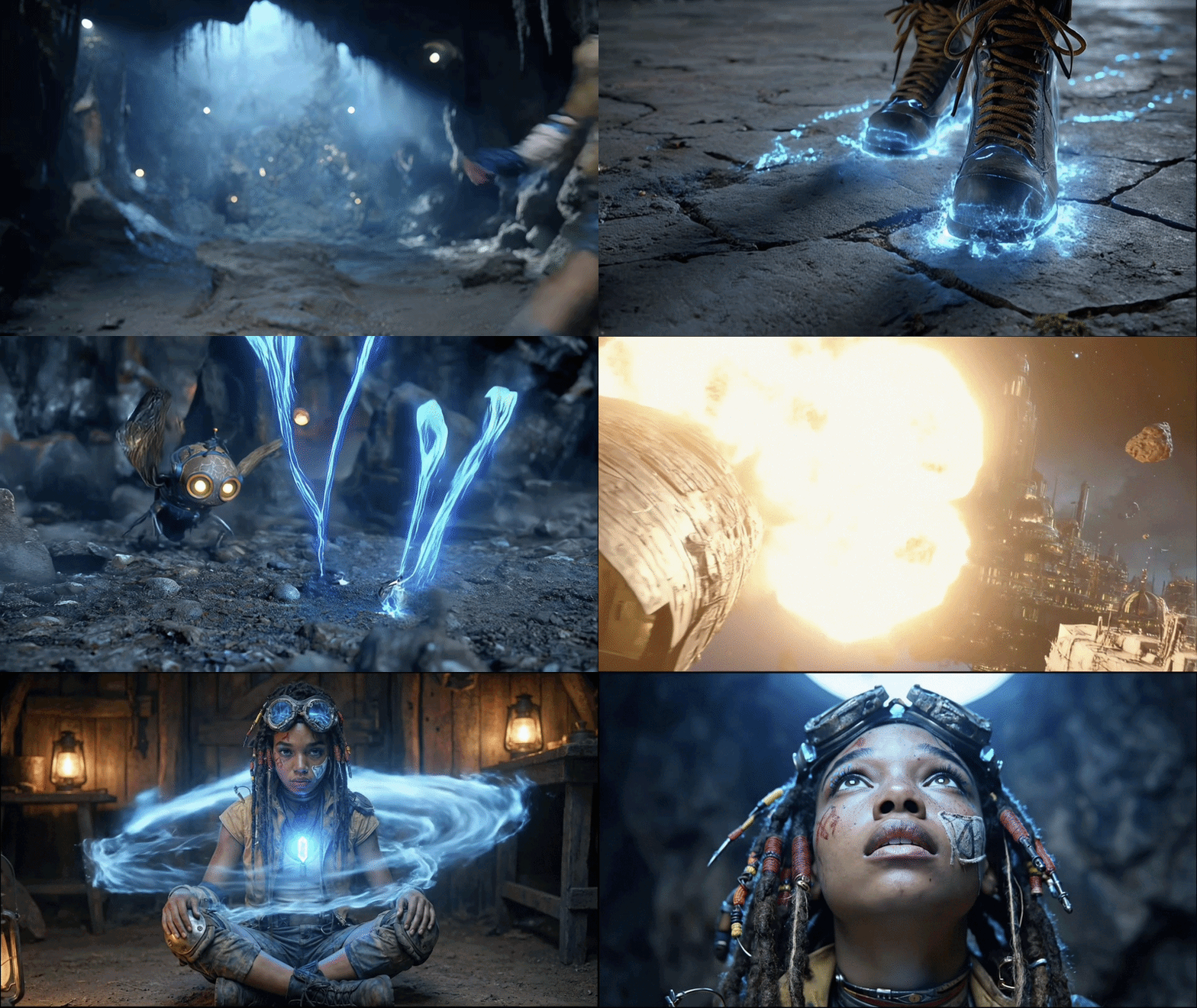
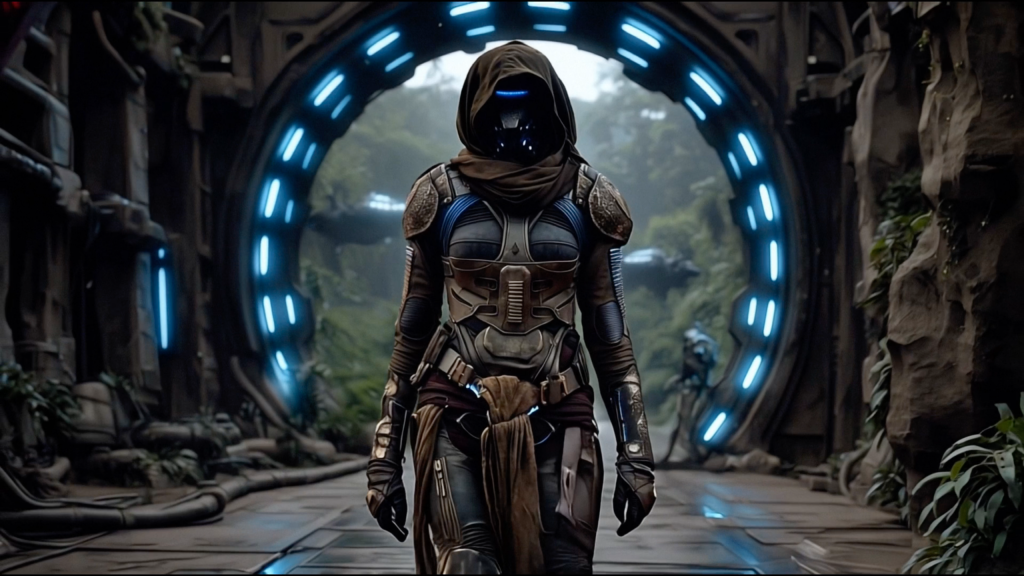
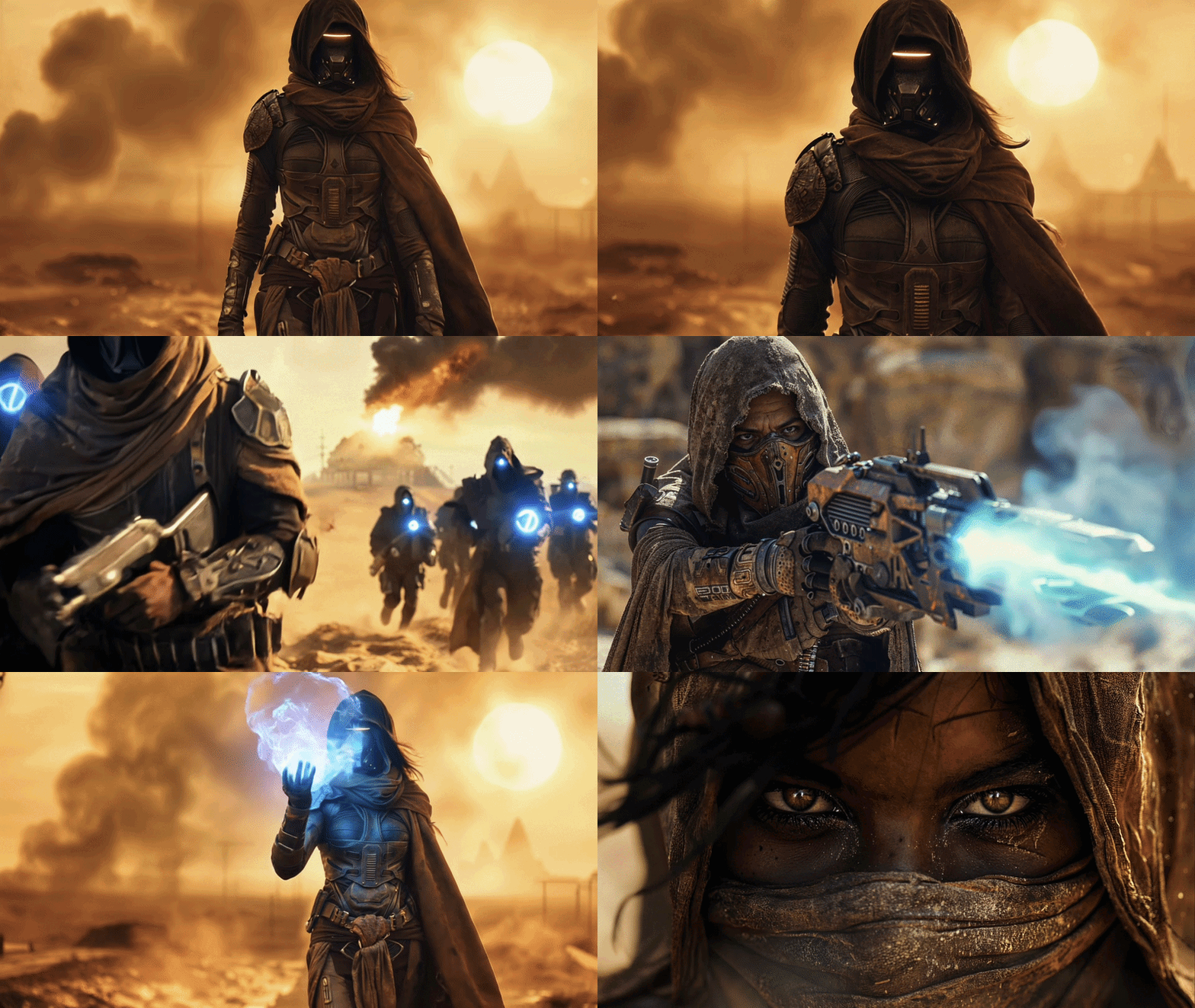
One project currently closest to Kim’s heart is NOX, centered on Liora, a strong female protagonist navigating a mysterious, evolving universe. The world is alive, full of surprises, and evolves alongside the tools themselves.
Kim often begins with small experiments, exploring fragments of the universe or short vignettes, letting unexpected ideas emerge. Some characters or story beats appear fully formed, sparking new directions for the main narrative.
“Sometimes I’ll create a short vignette purely as an experiment with a new tool or workflow, and something unexpected emerges.”
Unlike traditional linear production, each creative choice opens doors. A tone, a character nuance, or a narrative twist might emerge from the experiment and become a core part of NOX. Those discoveries ripple outward, shaping the universe organically.
“It feels less like building a story in a straight line and more like discovering it over time.”
With each iteration, new layers and possibilities appear. Background characters gain depth, story arcs shift, and the environment evolves in response to creative insights. The process becomes as much about exploration as execution.
“Every experiment opens a door to a world I hadn’t imagined before.”
Kim treats NOX as a living, breathing story world, where the act of creation itself drives discovery and wonder.
Kim describes her filmmaking pipeline as fluid and constantly evolving. The pace of AI innovation means workflows can change dramatically in just months. Early visual exploration relied heavily on Midjourney, while newer multimodal systems like Google’s Nano Banana allow greater cohesion across characters, environments, and storytelling.
“The tools are only as powerful as the ideas you bring to them.”
Emerging video models such as Kling 3 and Seedance 2 are reshaping scene generation. Rather than animating individual images, creators assemble narrative ingredients — character references, performance cues, environments, and story intent — and guide the system to synthesize them.
“The pipeline isn’t really about one specific tool. It’s about a constantly evolving ecosystem of tools and how they interact with each other.”
“Experimentation is where the magic happens.”
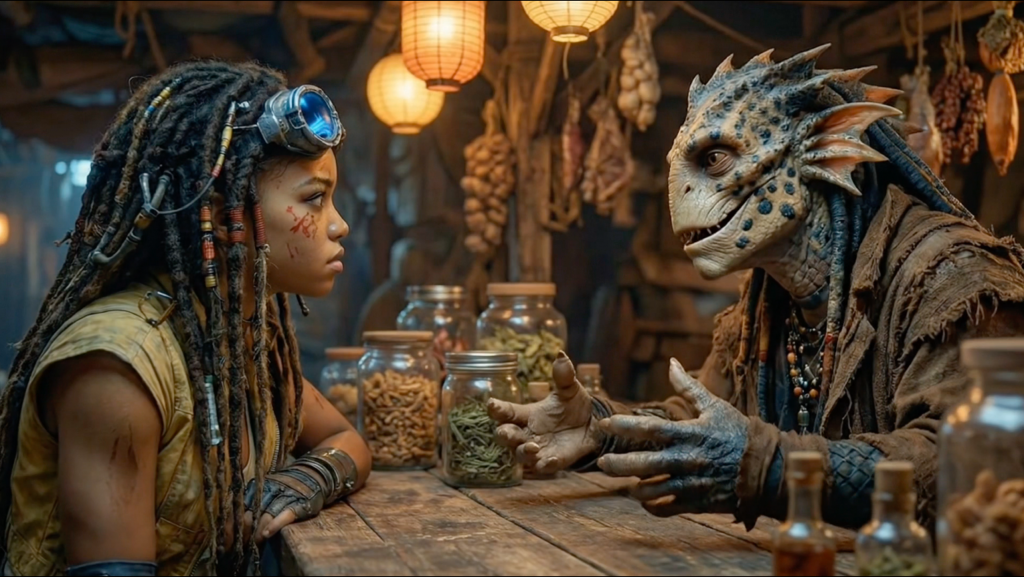
Her background in acting informs how she shapes characters. She focuses on motivations, emotional beats, and subtle expressions. Iteration replaces rehearsal. Small refinements often reveal a moment that feels authentic.
Kim approaches performance like a director on a traditional set, guiding AI-generated actors with cues, emotional context, and careful observation. She remains open to unexpected discoveries that add depth and nuance.
“With AI-driven workflows, the rhythm becomes a bit like searching for the right take.”
Each refinement brings the character closer to emotional truth. A gesture, a glance, or a pause may redefine the scene and spark new narrative directions. These moments, both subtle and profound, remind Kim that technology and human creativity can harmonize.
“Sometimes the AI surprises you in ways you never imagined, and that’s where the character truly comes alive.”
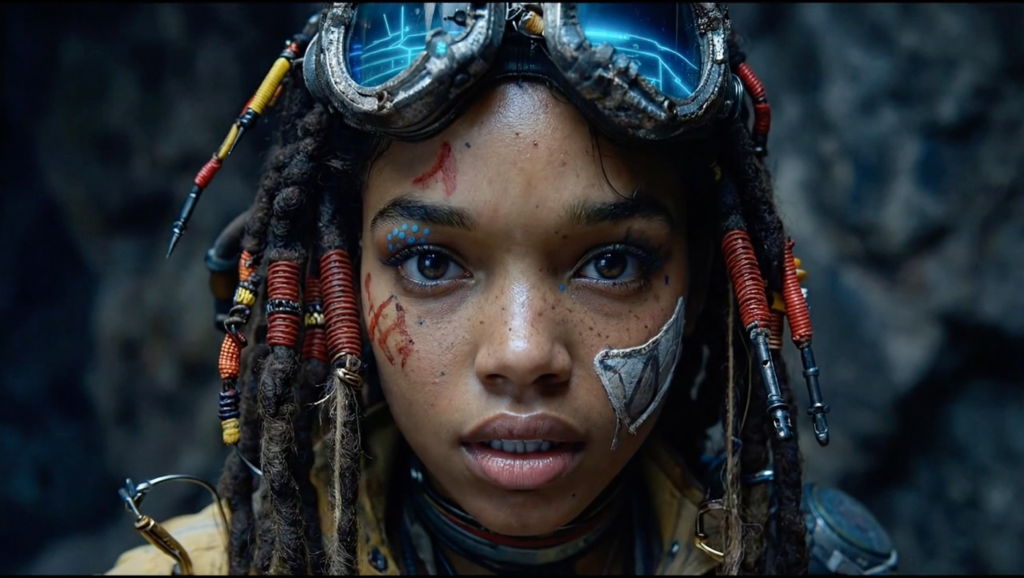
Kim hopes young women see that creativity has no boundaries and that they can embrace both the artistic and technical sides of filmmaking. She wants them to know that the future of storytelling is wide open and that curiosity, imagination, and persistence can guide them through any challenge.
“My hope is that young women feel empowered to step into both the artistic and the technical sides of this industry without feeling like they have to choose one or the other.”
She encourages them to pursue bold ideas, experiment without fear, and trust that even unconventional concepts can find their place and resonate deeply. Kim emphasizes that understanding technology can amplify artistry, and artistic insight can give technology new meaning.
“You can be both a creator and a technologist.”
Every project, every experiment, and every challenge becomes an opportunity to expand what is possible. Kim hopes young women see that taking risks and following curiosity will lead to discoveries that shape the future of storytelling.
“And remember, creativity is limitless — don’t be afraid to explore both sides of the craft.”
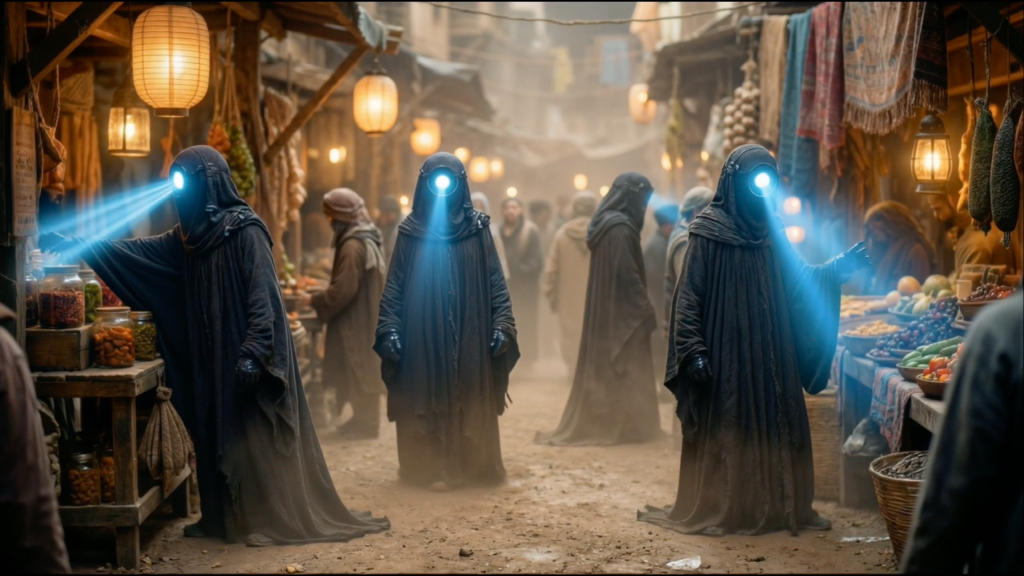
Looking ahead, Kim believes cloud computing and AI-driven creative tools are poised to transform not just filmmaking workflows but the global storytelling landscape itself.
“When powerful creative tools become accessible from anywhere in the world, storytelling stops being limited by geography or infrastructure.”
Cloud AI enables creators to work from virtually anywhere, removing the need to be near studios or industry hubs. Small teams — or even individual creators — can produce cinematic worlds at scales that once required entire studios.
“That shift will bring an incredible diversity of voices and perspectives into filmmaking.”
With these tools, the creative landscape becomes richer and more inclusive. New cultures, fresh perspectives, and innovative leadership styles emerge, and the stories we experience on screen reflect a broader, more global imagination.
“The future of storytelling belongs to those willing to explore, experiment, and dream beyond borders.”
Connect with Kim
https://welcometograil.com/talent/kim-landers/
www.linkedin.com/in/kimlanders123
Join our Virtual Studio Creative Cloud Community